

Garment Sourcing from Bangladesh: What International Buyers Should Look for Beyond Price
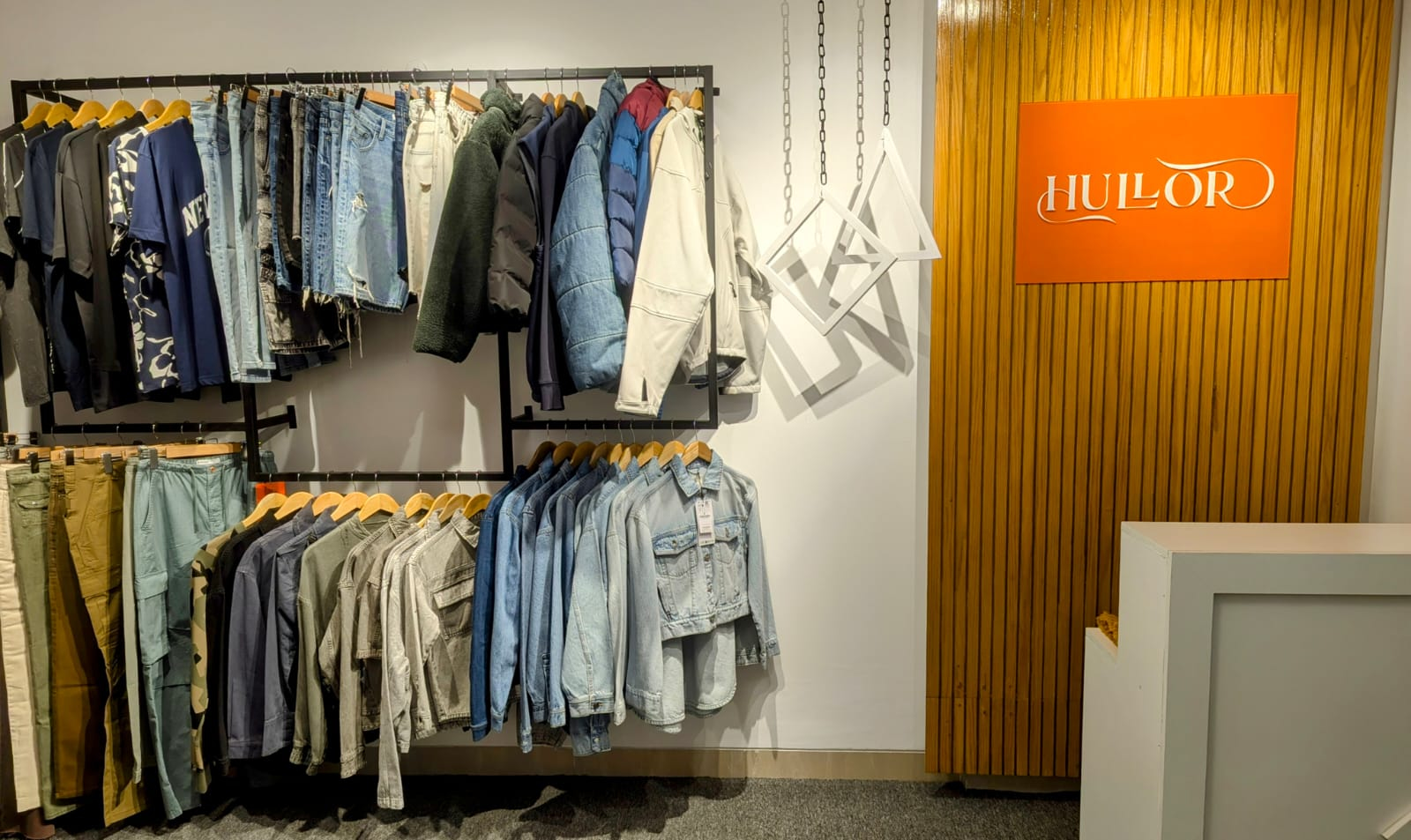
By Hullor Fashion Limited | Bangladesh Apparel Sourcing Specialist
When international buyers look for garment suppliers in Bangladesh, FOB price is often one of the first points of comparison.
But experienced sourcing professionals know that a competitive price is only one part of a successful sourcing decision.
The real question is:
Can the supplier consistently deliver the right product, quality, price and lead time—and manage the order professionally from development to shipment?
This is where effective sourcing makes a difference.
At Hullor Fashion Limited, we believe garment sourcing should be approached as a combination of product knowledge, factory intelligence, commercial understanding and execution capability.
1. Start With Product–Factory Fit
One of the most important decisions in sourcing is selecting the right manufacturing partner for the product.
A factory may have excellent production capacity, but that does not automatically mean it is suitable for every product category.
- Denim requires specialized washing and finishing capabilities.
- Woven shirts require strong fabric, sewing and finishing control.
- Knitwear requires appropriate knitting, dyeing and finishing capabilities.
- Sweaters require specialized knitting and linking expertise.
- Outerwear requires technical construction, padding, bonding and finishing capabilities.
Therefore, our sourcing process starts with a simple question:
Does this factory have the right capability for this product?
Factory selection should be based on product–factory compatibility, not simply available capacity or the lowest quotation.
2. Understand the Product Before Negotiating the Price
A sourcing specialist should be able to understand the product technically before discussing its commercial value.
A garment's cost can be influenced by:
- Fabric composition
- Fabric construction
- GSM and width
- Consumption
- Shrinkage
- Washing process
- Printing and embroidery
- Trims and accessories
- Garment construction
- Workmanship requirements
- Packaging
- Testing requirements
For this reason, an FOB quotation should never be evaluated in isolation.
A lower price is not necessarily a better sourcing solution if the product specification cannot be maintained.
3. Costing Should Be Built From the Product
Effective garment costing starts from the product itself.
A professional costing review normally looks at:
Fabric consumption is particularly important.
A small difference in consumption can significantly affect the final FOB when production quantities are large.
Similarly, fabric quality, width, GSM and shrinkage can influence both consumption and production efficiency.
This is why sourcing teams need to understand the technical reason behind the price, not just the final number.
4. Sampling Is a Commercial Checkpoint
Sampling is not simply a buyer approval process.
It is also an opportunity to identify commercial and production risks before bulk production.
During development, we review areas such as:
- Fabric availability
- Construction
- Measurement
- Fit
- Trims
- Wash effect
- Printing/embroidery
- Workmanship
- Consumption
- Production feasibility
If an issue can be identified during development, it is much easier to solve than after bulk production begins.
5. Factory Capacity Is Not the Same as Factory Suitability
A factory may tell you:
"We have capacity."
But a sourcing specialist should ask several additional questions:
- What type of products are currently running?
- What is the production line setup?
- What is the monthly capacity by product category?
- What machinery is available?
- What are the current line loading conditions?
- What is the factory's export experience?
- What is the quality performance?
- What is the typical lead time?
- Can the factory handle the required order quantity?
This is the difference between factory searching and actual sourcing.
6. Quality Should Be Managed Before Final Inspection
Final inspection is important, but quality management should start much earlier.
A sourcing team should follow the order through key stages:
Early follow-up helps identify problems before they become costly production issues.
For buyers, this means fewer surprises close to the shipment date.
7. Lead Time Is a Sourcing Responsibility
A realistic production calendar should consider the entire process—not only sewing time.
For example:
If one critical material is delayed, the entire production schedule can be affected.
Therefore, a sourcing specialist should monitor the critical path, rather than simply asking for a production status update.
8. Buyer–Factory Communication Can Make or Break an Order
A successful sourcing operation requires clear communication between:
Buyer ↔ Sourcing Team ↔ Factory ↔ Fabric/Trim Suppliers ↔ Quality Team
Every important approval and change should be properly communicated and documented.
This includes:
- Buyer comments
- Sample approvals
- Revised specifications
- Price changes
- Material approvals
- Production dates
- Inspection requirements
- Shipment instructions
Clear communication reduces misunderstanding and helps maintain accountability.
9. The Role of a Sourcing Partner
For international buyers, working directly with multiple factories can become time-consuming.
A capable Bangladesh sourcing partner can provide local support across the entire product lifecycle:
The value is not simply in finding a supplier.
The value is in finding the right supplier and managing the process around that supplier.
Our Approach at Hullor
At Hullor Fashion Limited, we focus on connecting buyers with suitable manufacturing partners based on product category, technical requirements, price expectations, quantity, quality standards and delivery requirements.
Our sourcing experience covers categories including:
Denim | Woven | Knit | Sweater | Outerwear
We work to create alignment between the buyer's product expectations and the factory's actual production capabilities.
Because in garment sourcing, the objective is not just to place an order.
The objective is to build a supply chain that can deliver.
Hullor Fashion Limited
Bangladesh Apparel Sourcing & Buying Partner
For sourcing inquiries, product development or factory sourcing requirements, contact our team.